

 LLM
LLM VIDEO
VIDEO SPEECH & MUSIC
 Intelligence with everyone

MiniMax|Japanese IP, Ready for the Global AI Era
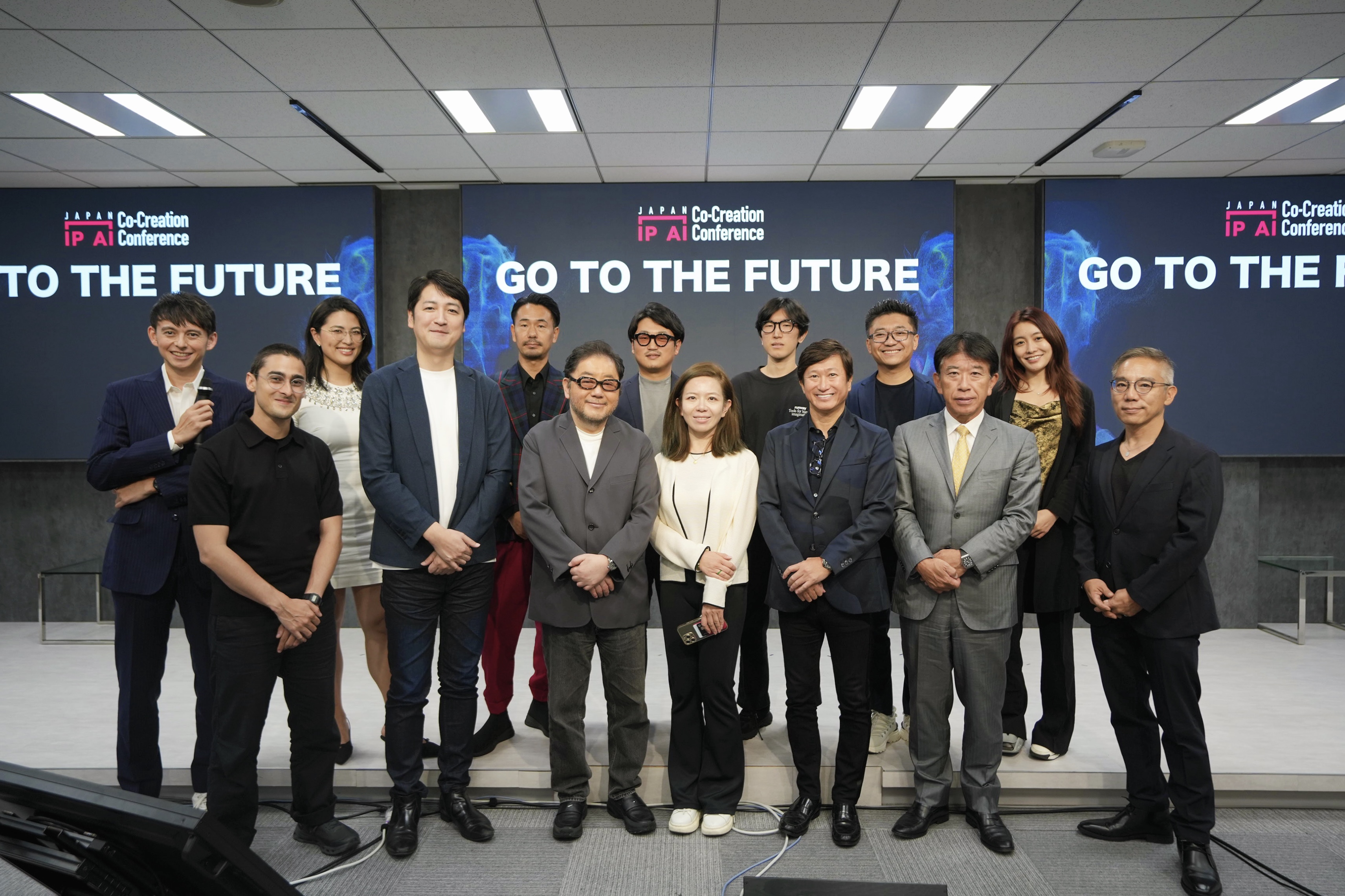
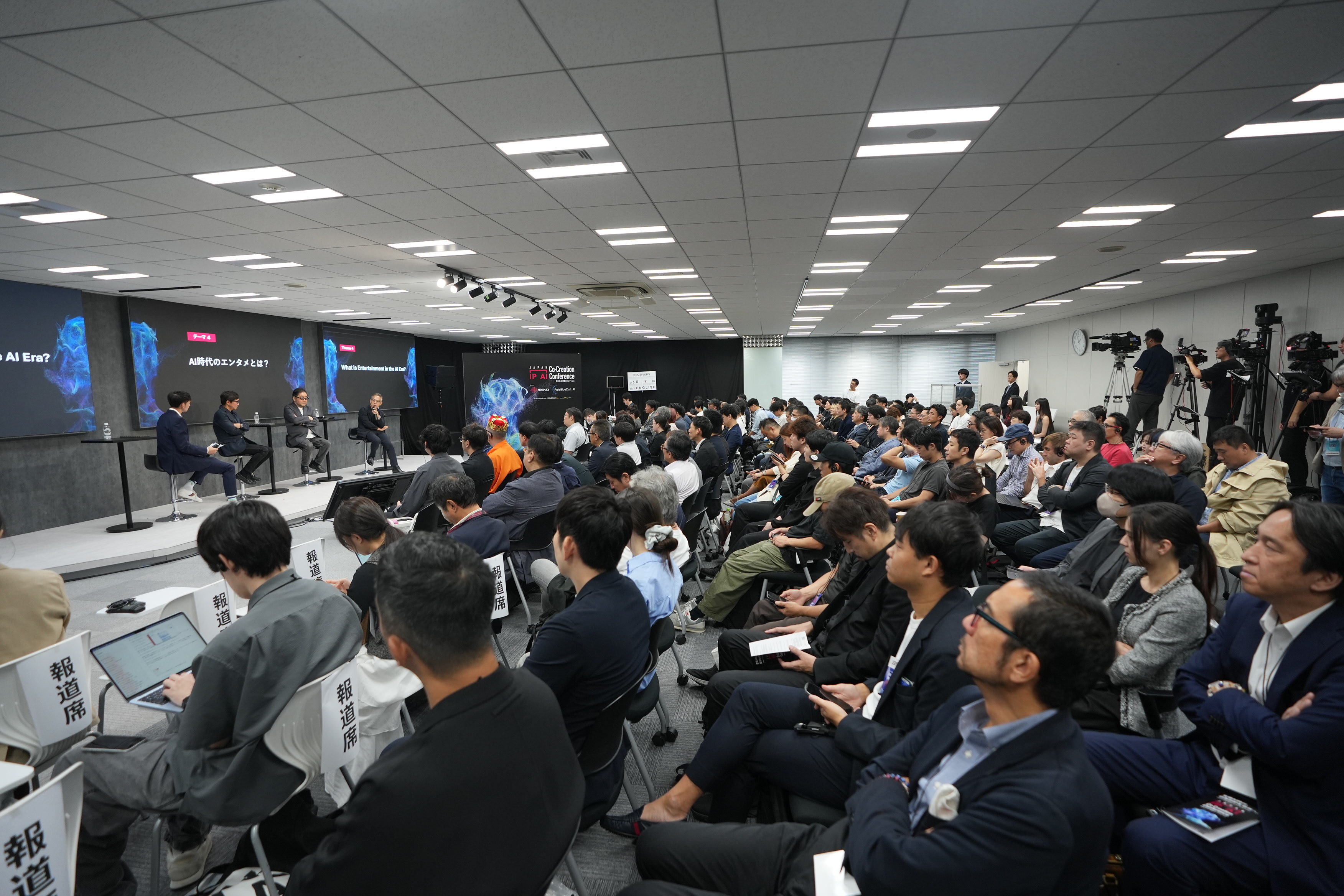
On September 11, 2026, MiniMax and KAGAMIAI co-hosted the Japan IP.AI Co-Creation Conference in Shibuya, Tokyo. More than 150 companies from Japan and the United States joined us to explore the future of Japanese IP in the age of generative AI.
Speakers included Takami Kondo, Representative Director and Vice Chairman of SBI Neo Media Holdings; Yasushi Akimoto, the producer behind AKB48; and leaders from Higgsfield, Krea, HeyGen, and Runway. The event received broad coverage in Japan, including a dedicated feature on TV Tokyo’s WBS. More than 60 companies have since expressed interest in adopting MiniMax H3 IP Edition.
The scale of participation and the demand that followed made this more than an industry gathering. It marked a shift from discussing how Japanese IP might engage with generative AI to building the models, licensing infrastructure, and creative workflows needed to put that vision into practice.
From Fair Use to Fair Pay
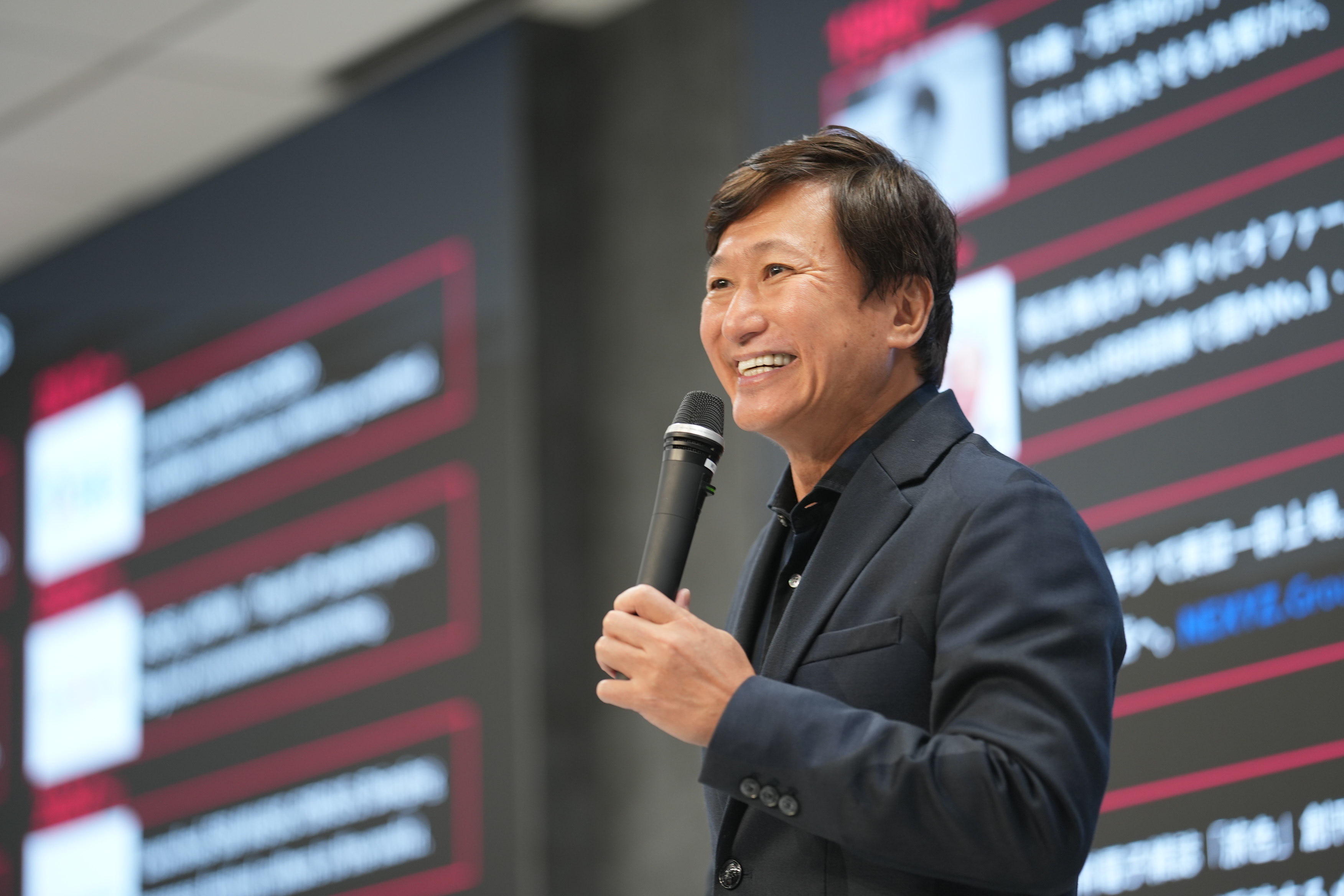
Takami Kondo, Representative Director of the Japan IP.AI Co-Creation Association and Chairman of KAGAMIAI, opened the conference with its central theme: "Fair Use to Fair Pay". He argued that for IP to thrive in an AI-driven market, the industry needs clear licensing pathways, reliable usage tracking, and a system that returns value to creators and rights holders. This principle also underpins the World IP.AI Co-Creation Declaration, which sets out six commitments spanning respect for intellectual property, appropriate licensing, responsible innovation, ongoing dialogue, fair value sharing, and global collaboration.
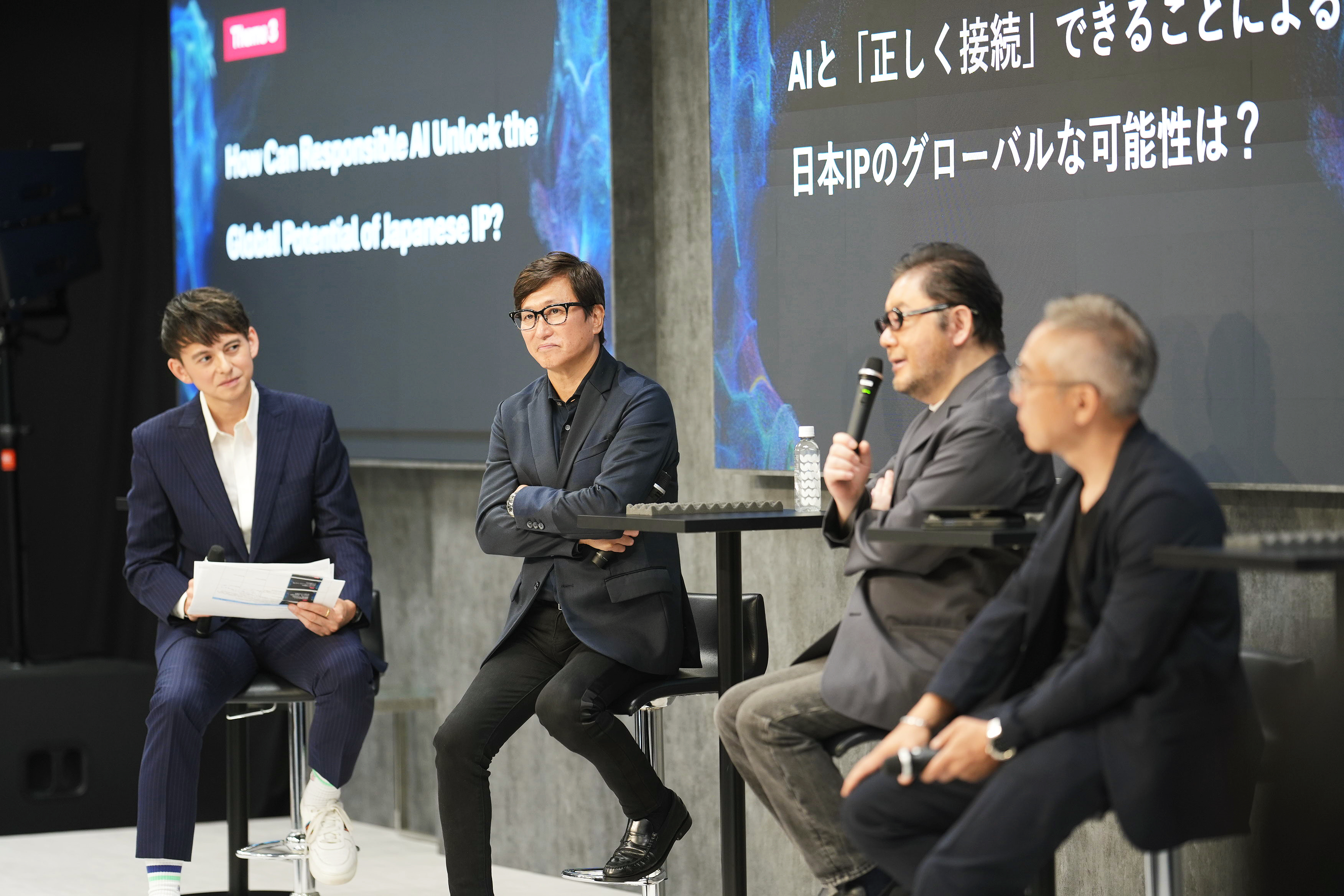
The panel that followed, moderated by multilingual presenter Harry Sugiyama, explored how AI could extend the creative life of an IP. Yasushi Akimoto, Lyricist, Producer, and Executive Advisor to KAGAMIAI, described ideas as seeds: AI can help them grow, but taste, judgment, and emotional instinct still come from people. Motoi Chujo, Editor and Producer at KADOKAWA, noted that AI videos could introduce global audiences to a novel or light novel, then lead them back to their original work.
MiniMax H3 IP Edition: Building Rights into the Workflow
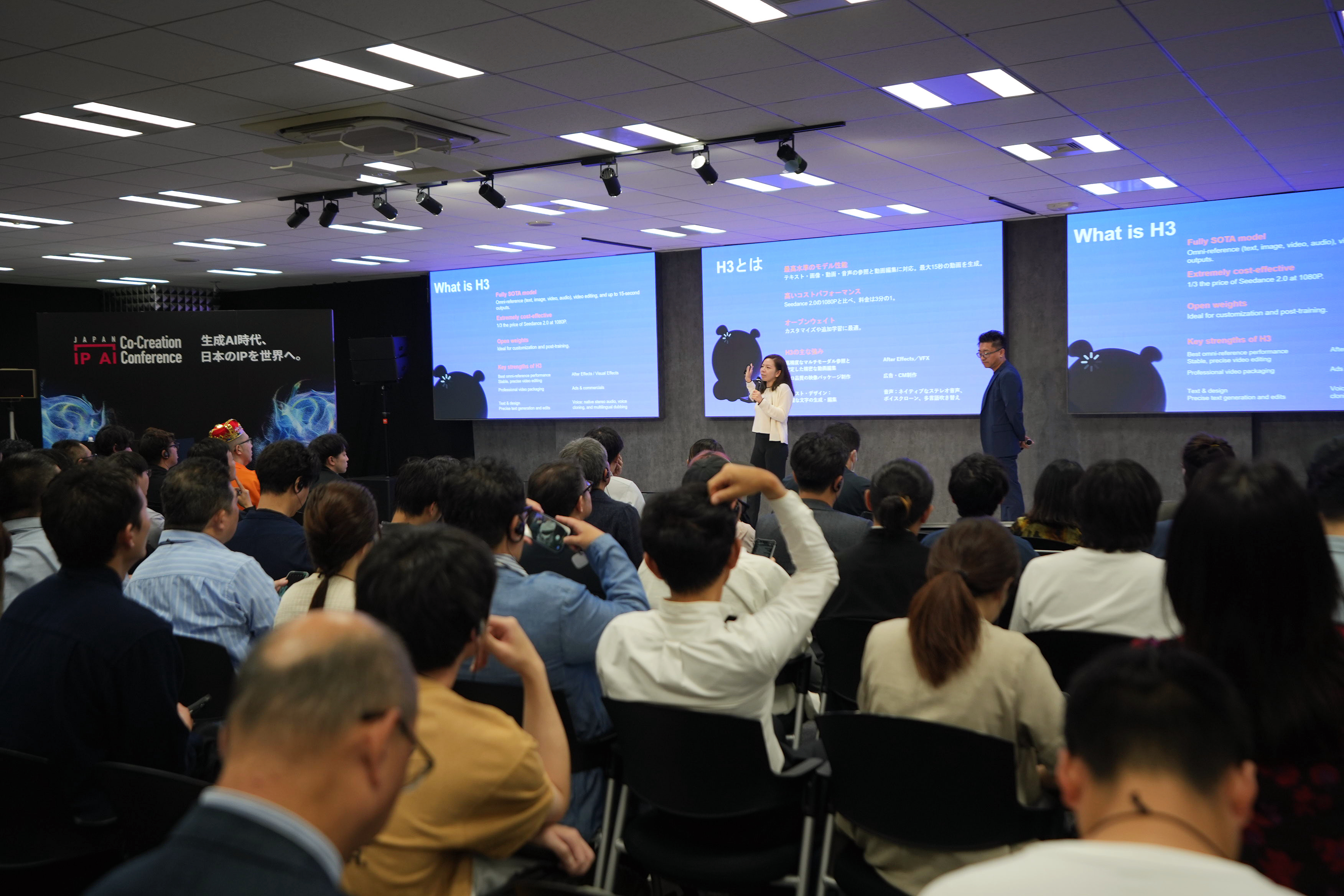
Linda Sheng, President of Global Business at MiniMax, showed how H3 goes beyond generating video from a single prompt. Creators can make targeted edits, work with character and scene references, and coordinate visuals, audio, and lip sync. That level of control is essential when working with established characters and worlds.
Akira Takeuchi, Head of MiniMax Japan, then outlined the vision for H3 IP Edition. Through KAGAMIAI’s Kagami Gate infrastructure, each IP can come with approved assets, generation rules, commercial terms, and reporting requirements. Licensing becomes part of the creative process from the start, rather than an issue to resolve after production. Availability will depend on each partner’s terms, with further IP collaborations in development.
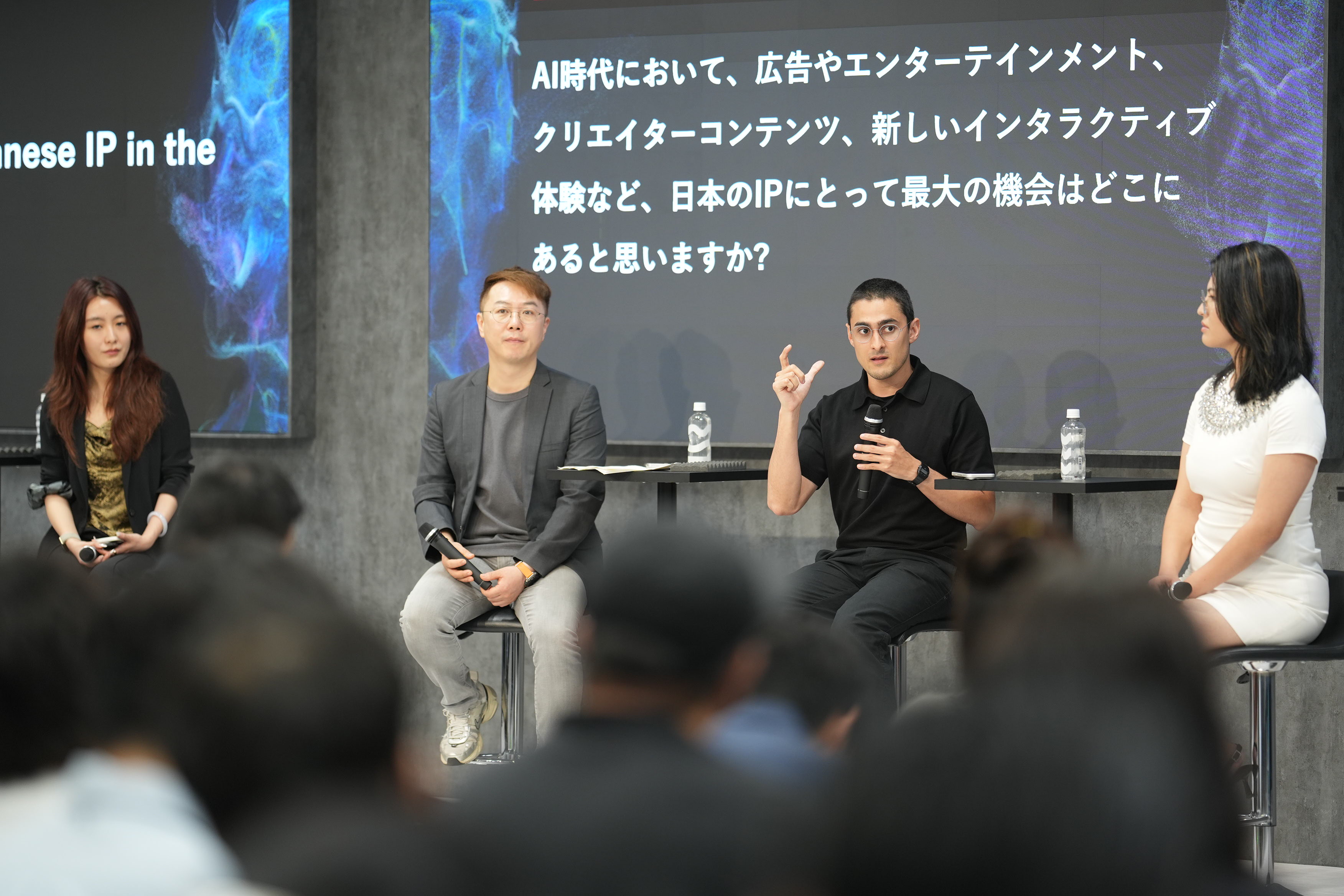
With that foundation in place, the discussion turned to what licensed IP could unlock across creative platforms. Moderated by Leanna Ren, Vice President of Global Marketing and Partnerships at MiniMax, the panel brought together Alvin Kim, APAC Regional Director at Higgsfield; Diego Rodriguez, Co-founder and CTO of Krea; and Juri Watanabe, Japan Community Manager at HeyGen. They explored three ways Japanese IP could expand beyond its original format: producing new content while keeping characters consistent, turning familiar characters into interactive experiences, and adapting voice and performance for audiences in different languages.
Asked what they hoped to build over the next six months, the panelists imagined a more connected creative ecosystem in which the same character could move naturally between video, interactive media, and localized content. The opportunity is not simply to generate more assets, but to help Japanese IP evolve across formats, languages, and markets.
Kagami Gate: License, Monitor, Distribute
Futoshi Kimura, President and CEO of KAGAMIAI, introduced Kagami Gate as the infrastructure behind this model. It brings standardized licensing, usage monitoring, review, and revenue distribution into one system. Rights holders set the terms before creation, platforms monitor compliance during generation, and usage data provides the basis for payment.
The Captain Tsubasa × PixVerse pilot showed how this model can work at scale. Over 45 days, 126,360 creators across more than 195 countries and regions produced 329,314 pieces of content through the licensed program. More than 99% of the activity came from outside Japan, while content that violated program policies accounted for just 0.14% of the total. The results showed that global creative participation and strong IP safeguards can scale together.
From Demo to Production
The final sessions turned to film and commercial production. Mitsuru Kanno, Executive Chairman of the Yokohama International Film Festival and CEO of Banksy Inc., argued that AI films should be judged as films. Story, performance, and emotional impact matter more than technical novelty, especially when established IP is involved.
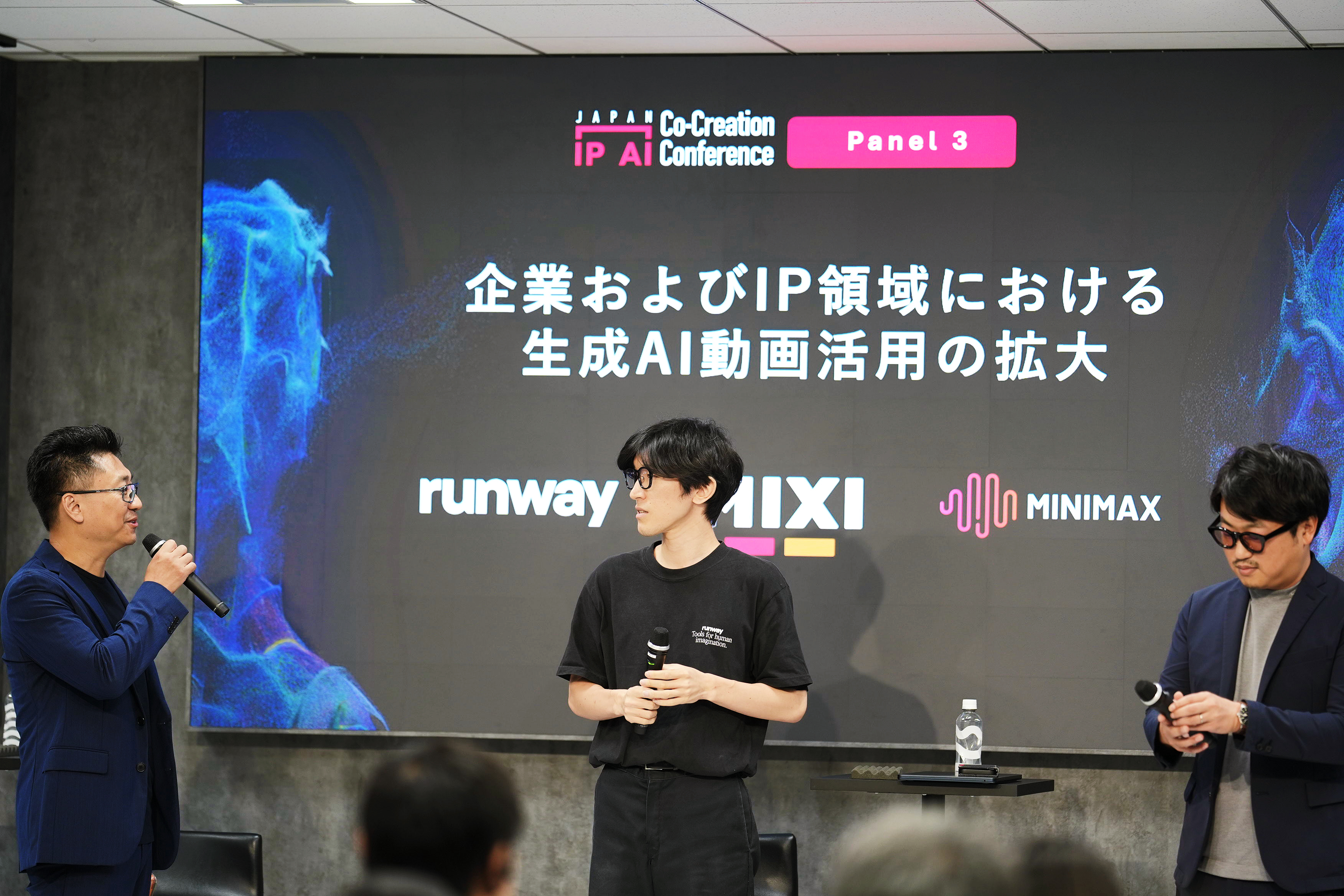
In the closing panel, Runway Technical Artist Hero Kominato and MIXI video design lead Ryohei Orihara joined Akira Takeuchi to discuss how generative video enters an established production team. Drawing on MIXI’s experience with promotional content for Monster Strike, they identified the conditions that determine whether an AI tool moves beyond a demo: it must fit the existing workflow, meet cost targets, protect production data, support permission controls, and give teams reliable creative control. For IP owners, operational trust matters as much as output quality.
What Comes Next
The conference brought rights holders, creators, model companies, and creative platforms into the same room. It also moved the conversation from broad principles to systems that can be tested, adopted, and improved.
MiniMax will continue working with KAGAMIAI and partners across Japan and the global AI ecosystem to help Japanese IP reach new creators and audiences while preserving the rights, identity, and creative intent behind each work.
Japanese IP × Global AI. A new era has begun. And this is only the beginning.
#IntelligenceWithEveryone