
 LLM
LLM VIDEO
VIDEO SPEECH & MUSIC
 Intelligence with everyone
MiniMax AI Founder Day @ GTC: Inside the Conversations on What's Next in AI
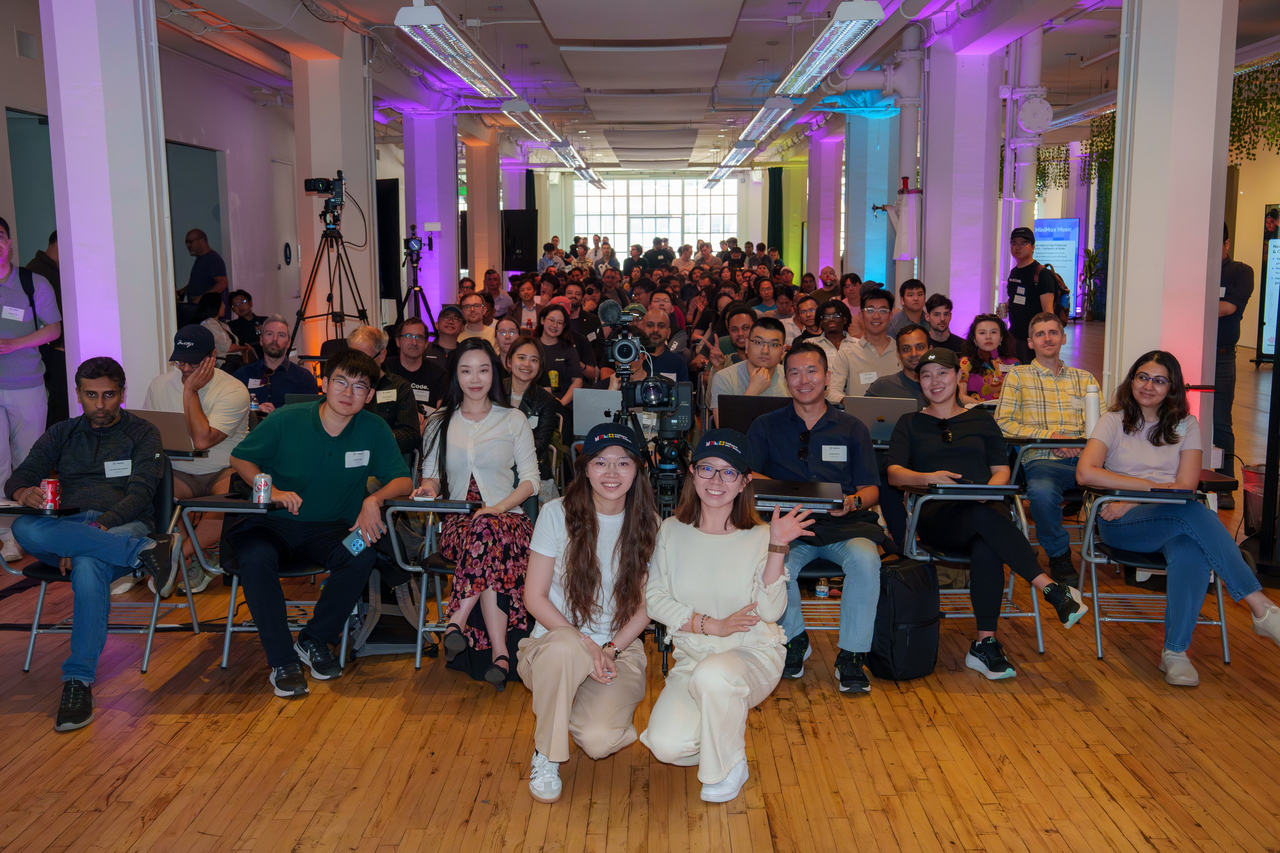
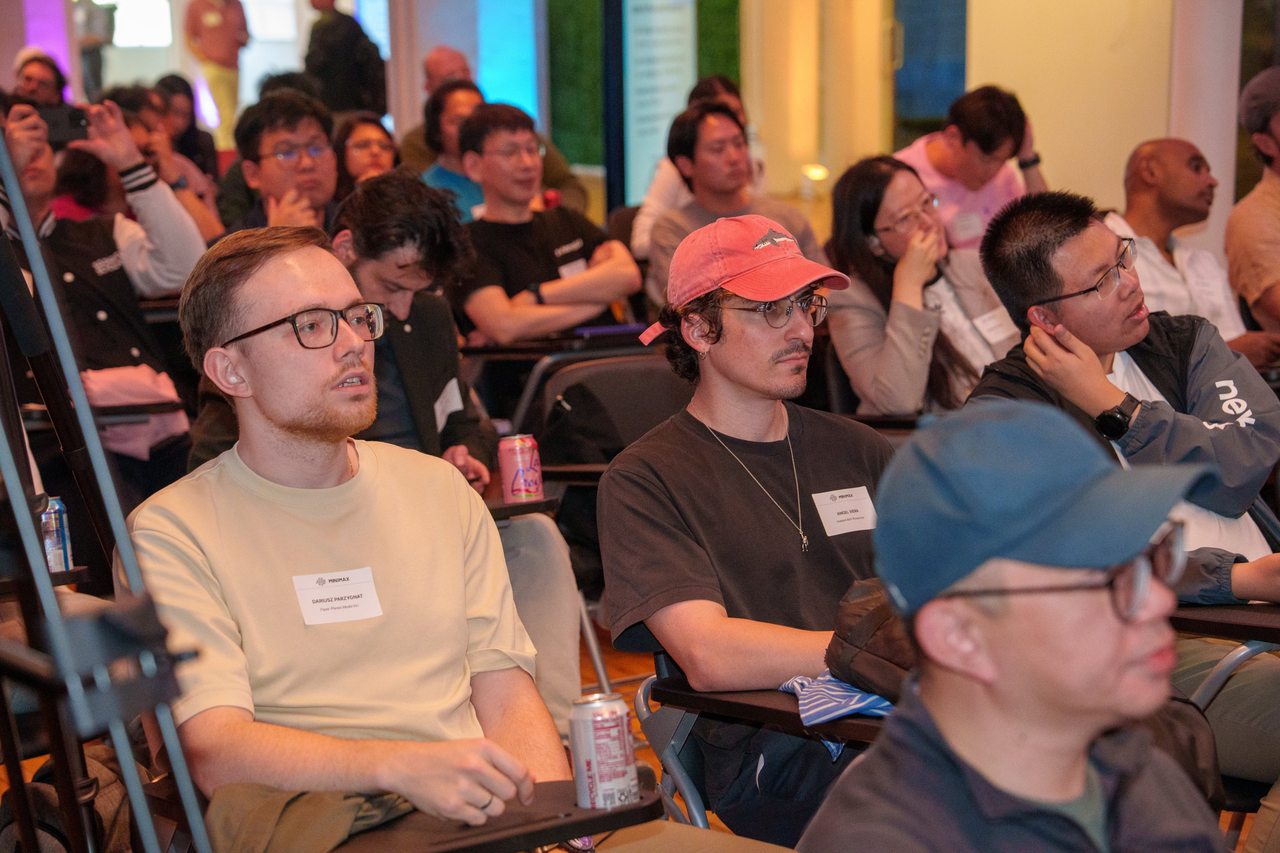
During NVIDIA GTC week, when the AI world converged in San Francisco, we hosted MiniMax AI Founder Day — bringing together a room full of founders, engineers, and builders shaping the next wave of AI.
Fresh off the launch of M2.7, our first self-evolving model, this wasn't just a meetup. It was a space to go deeper — into how AI systems are actually built, shipped, and scaled in the real world.
Co-founder Keynote: Framing the Agentic Era
The event opened with a keynote from Yeyi Yun, Co-founder and President at MiniMax, who shared the story behind the company and its evolution toward frontier multimodal models and products.
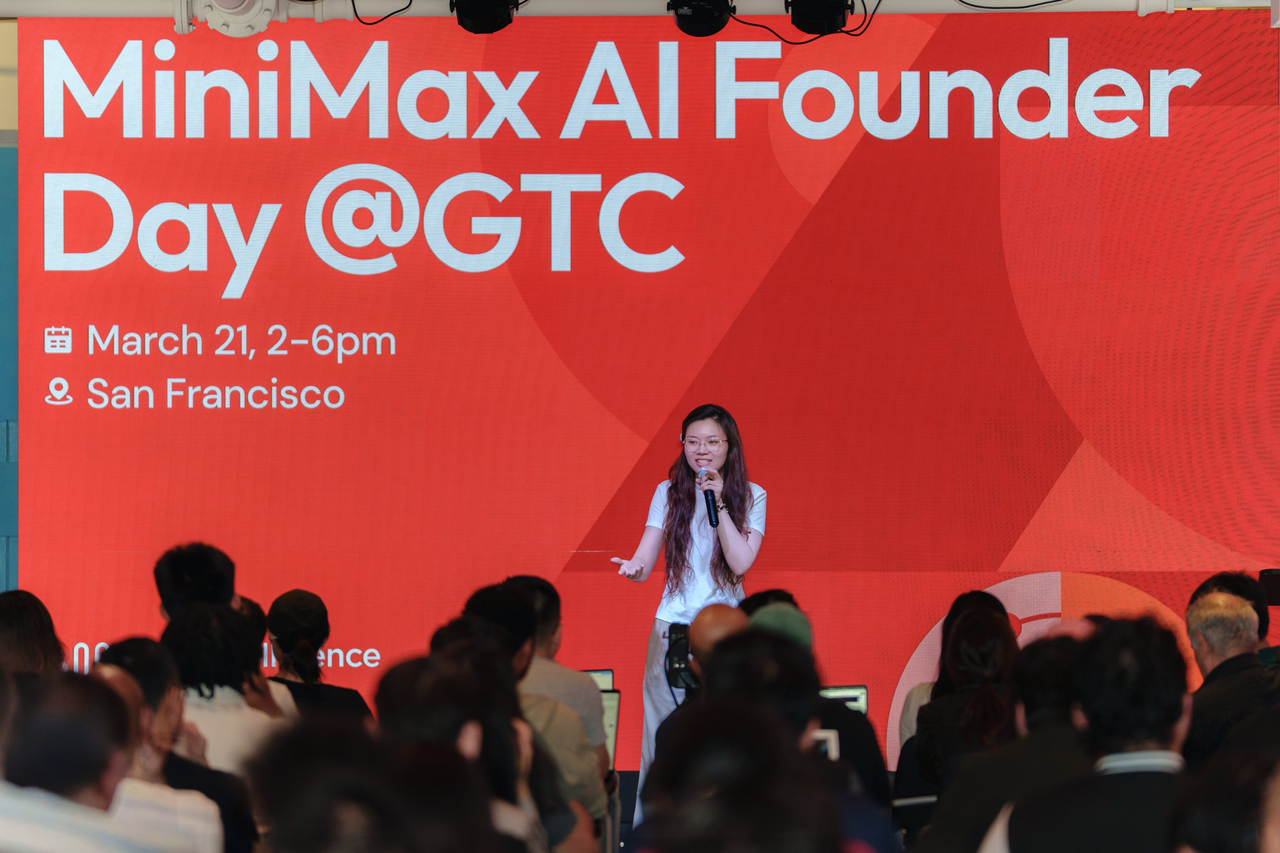
More importantly, the keynote focused on how the role of models is changing. As AI systems become more integrated into real-world applications, models are becoming core components within larger systems that plan, execute, and iterate.
Yun framed this transition as the beginning of the agentic era, where the key challenge is no longer just improving model capability, but designing systems that can reliably translate that capability into action.
M2.7 Launch: Self-Evolving Models for Real-World Productivity
A central highlight of the event was the introduction of MiniMax's latest model, M2.7, presented by Linda Sheng, GM of Global Business at MiniMax.
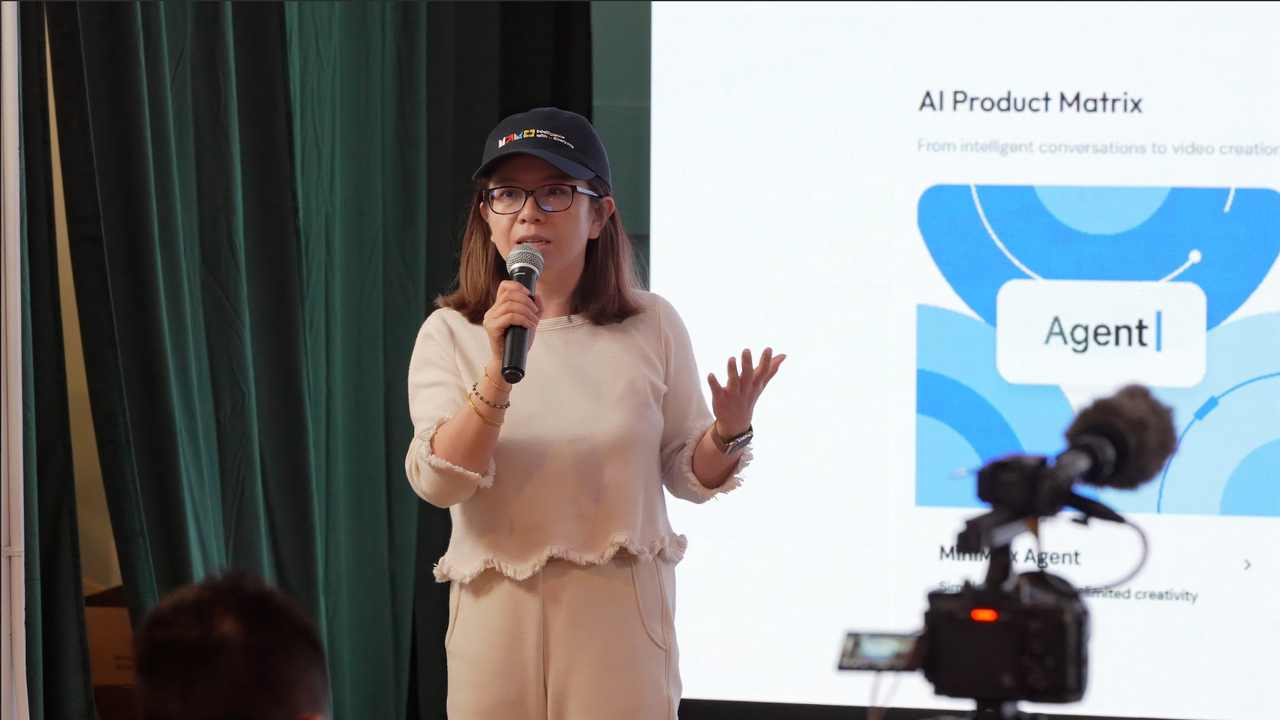
Beyond benchmark gains, the session highlighted real-world, multi-step performance. Live demos showed M2.7 handling complex tasks, iterative edits, and tool use—moving closer to "elite-level engineer" behavior.
The presentation also outlined MiniMax's broader roadmap, with a continued focus on multimodal capabilities and system-level integration as the foundation for next-generation AI products.
Stacked Founder Panel: Unpacking the Bottlenecks in AI Systems
Building on the earlier sessions, the event continued with a technical founder panel featuring Alex Cheema (CEO, EXO Labs), Robert Rizk (CEO, BlackBox), Yuandong Tian (Co-founder, former Meta FAIR Director), George Cameron (Co-founder, Artificial Analysis), Sam Herring (ML Engineering Lead, Nous Research), and Steve Shou (Head of AI Platform, Duolingo).
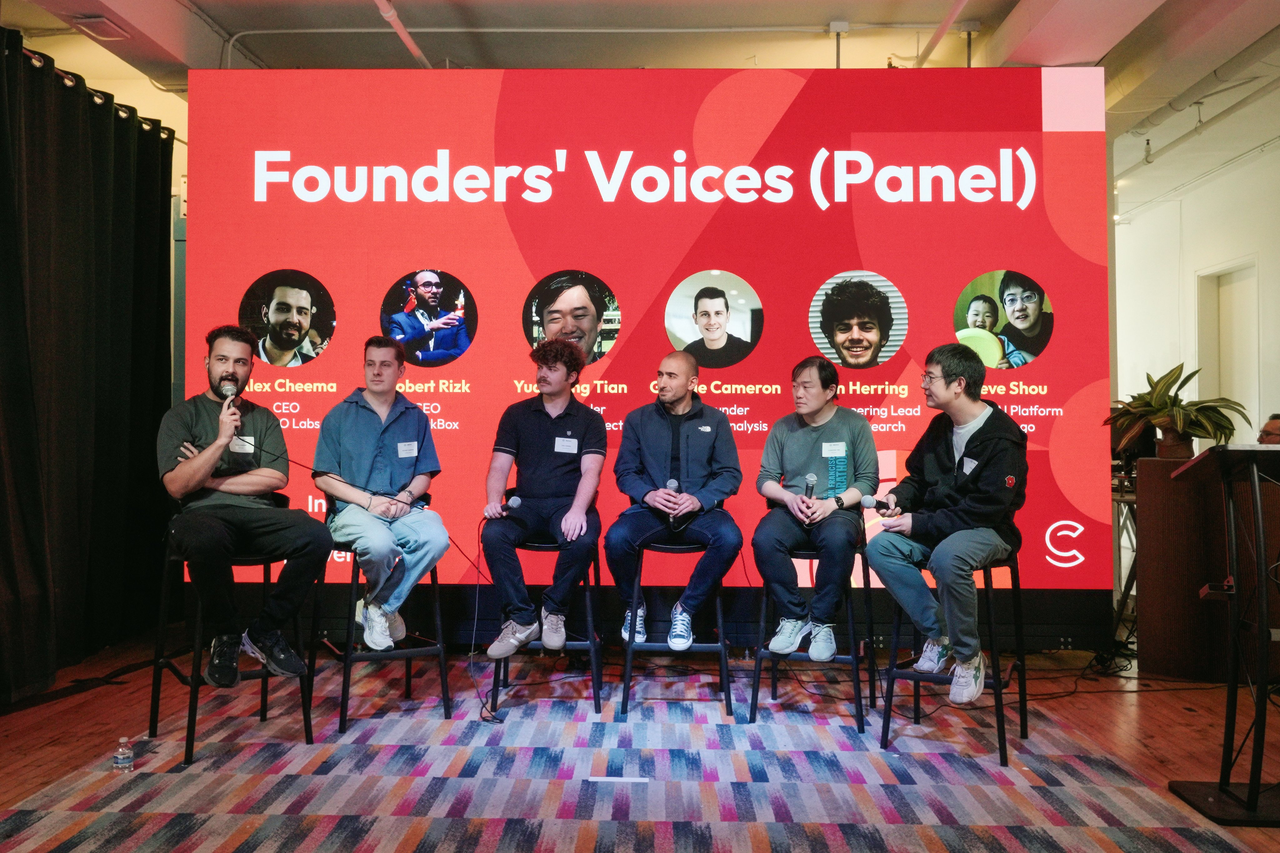
Spanning research, infrastructure, and product, the discussion highlighted where current AI systems are making progress — and where they continue to face constraints.
Panelists highlighted reinforcement learning and post-training, then turned to production agent workflows. Despite progress, building reliable agents remains a systems-level challenge requiring strong orchestration and evaluation.
Building Toward the Next AI Ecosystem
From the co-founder keynote to the M2.7 release, and from live demos to in-depth panel discussions, the event consistently pointed to a shared direction: moving beyond model capability toward real-world systems.
The conversations throughout the afternoon pointed to a broader shift underway in AI. As models continue to improve, the frontier is increasingly defined by how they are deployed, integrated, and scaled within production environments.
For MiniMax, the direction is clear: building self-evolving models that don't just respond, but continuously improve—and enable more capable agent-driven systems in the real world.
More to come from MiniMax in 2026.
#IntelligenceWithEveryone
Stay updated on our latest releases and events — follow us on X and LinkedIn.