
 LLM
LLM VIDEO
VIDEO SPEECH & MUSIC
 Intelligence with everyone
MiniMax @YCombinator Hackathon: Building the Future of Web Agents
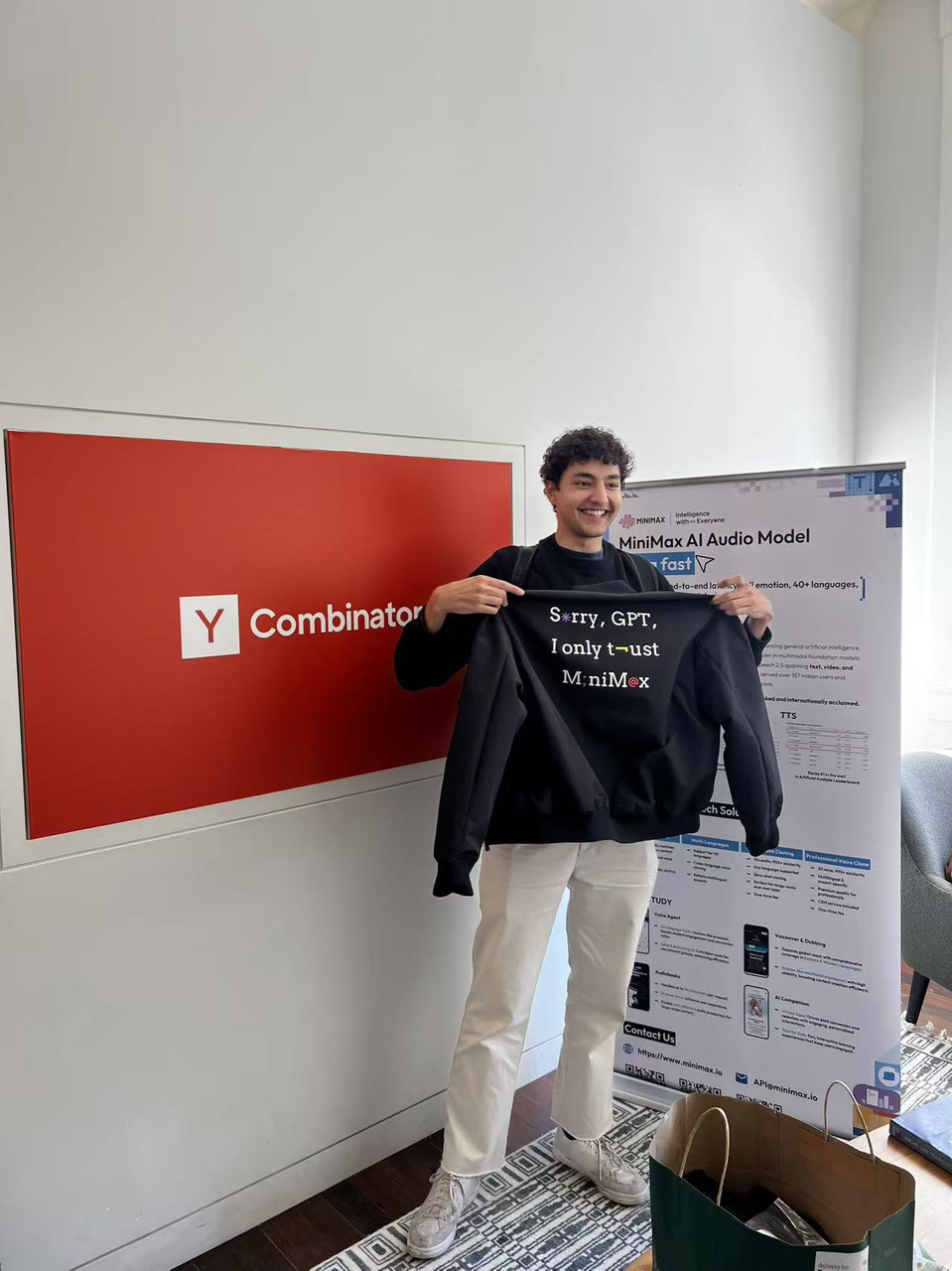
The future of AI isn't just about generating text or images — it's about agents that can take action.
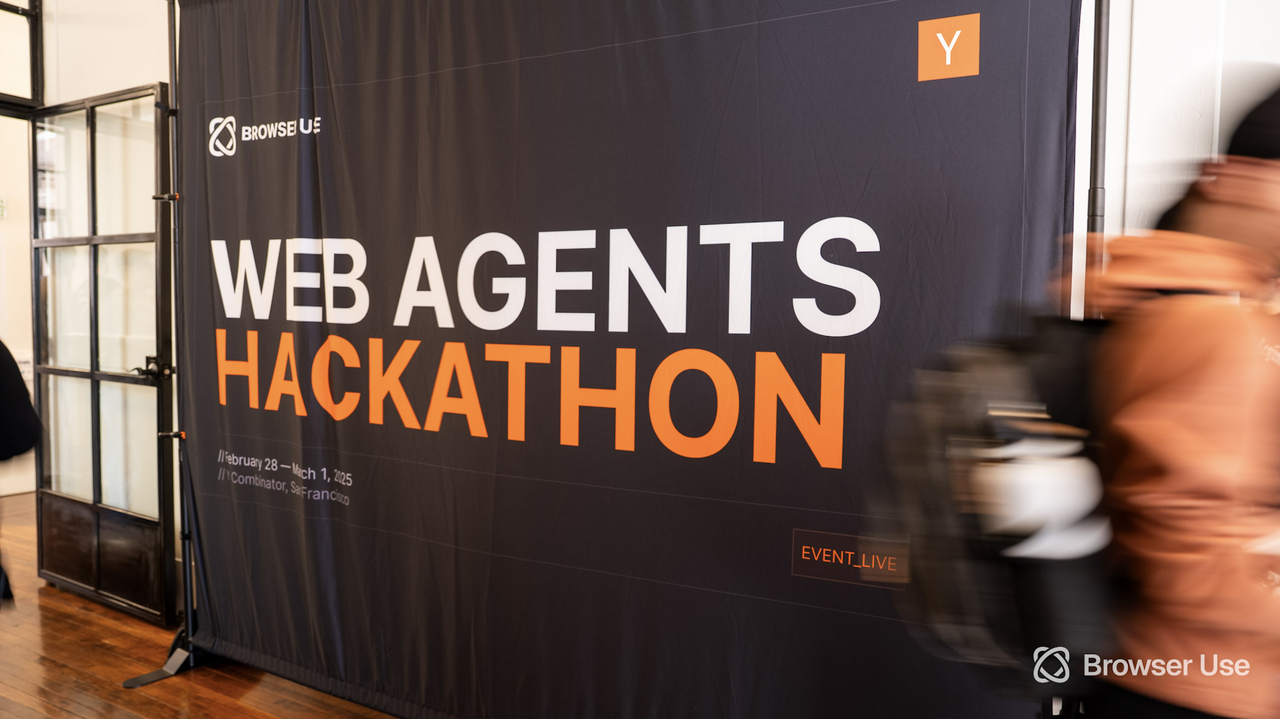
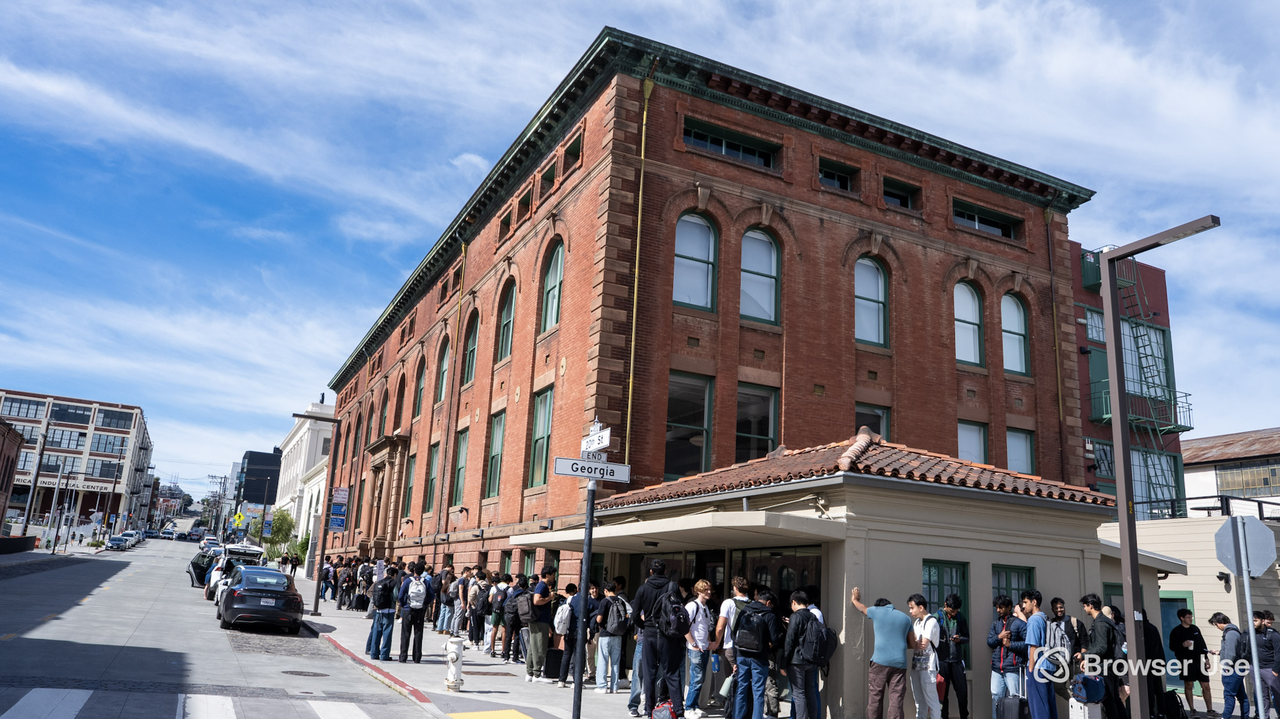
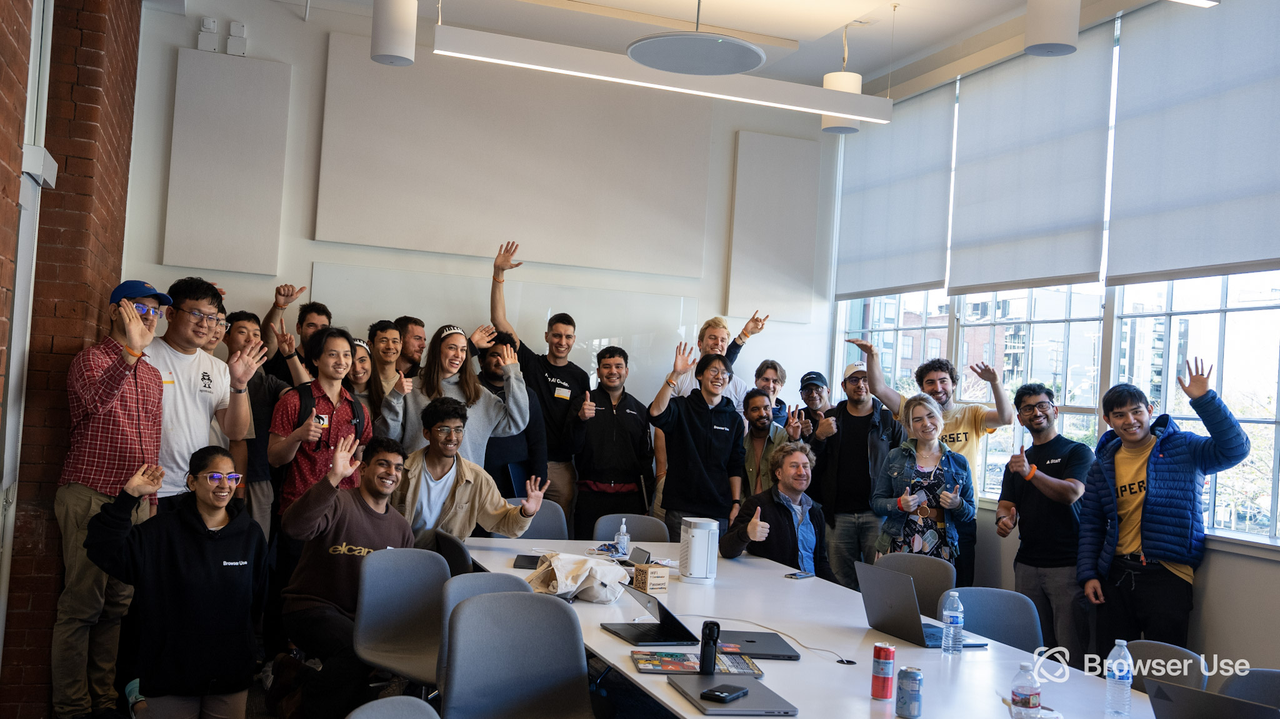
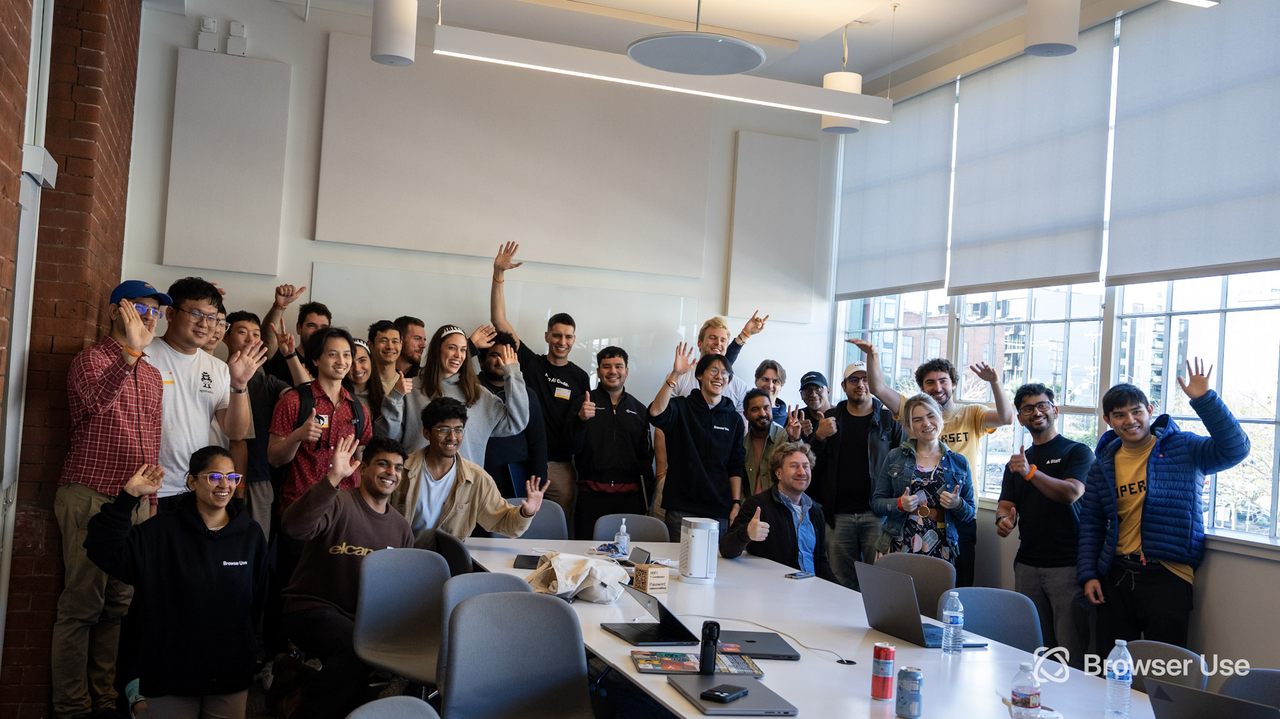
That vision came to life at the Browser-Use Hackathon hosted at Y Combinator in San Francisco on Feb 28, where builders gathered to experiment with a new generation of AI systems capable of interacting directly with the web.
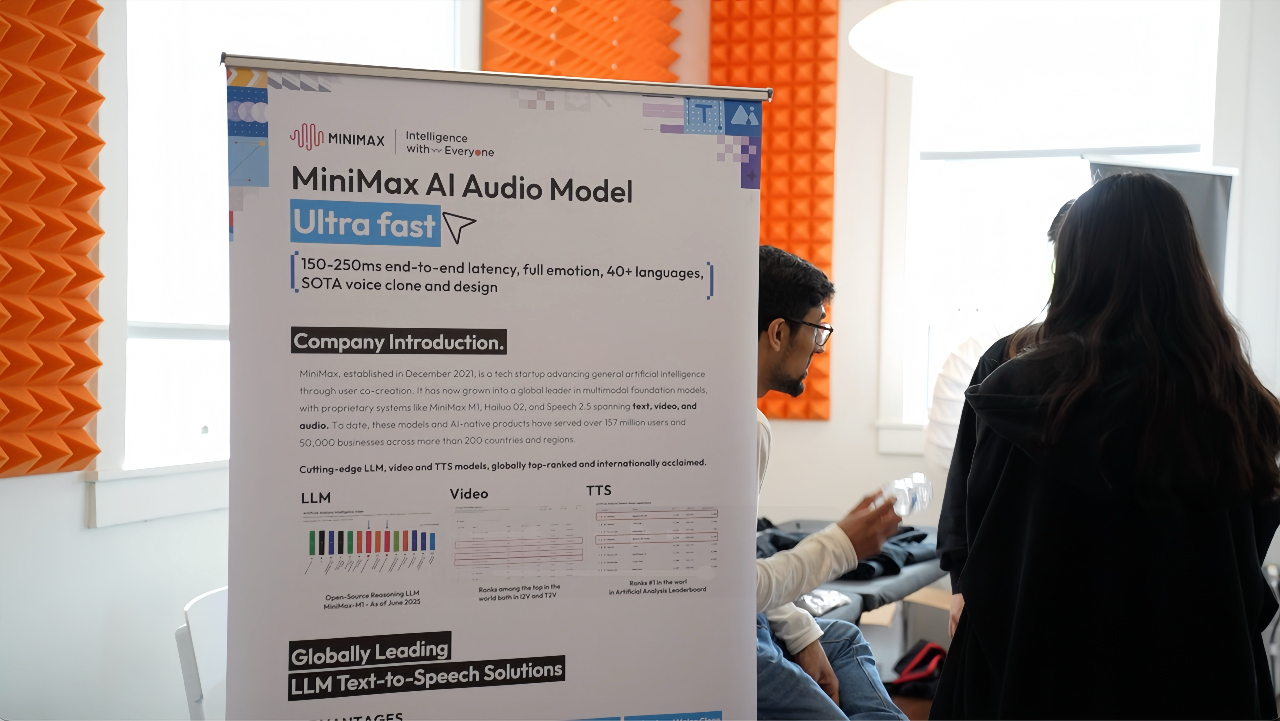
MiniMax was proud to support the hackathon alongside leading AI companies including OpenAI, Anthropic, Google DeepMind, AWS, Vercel, MongoDB, and Convex, empowering the builders exploring this new frontier.
 |
 |
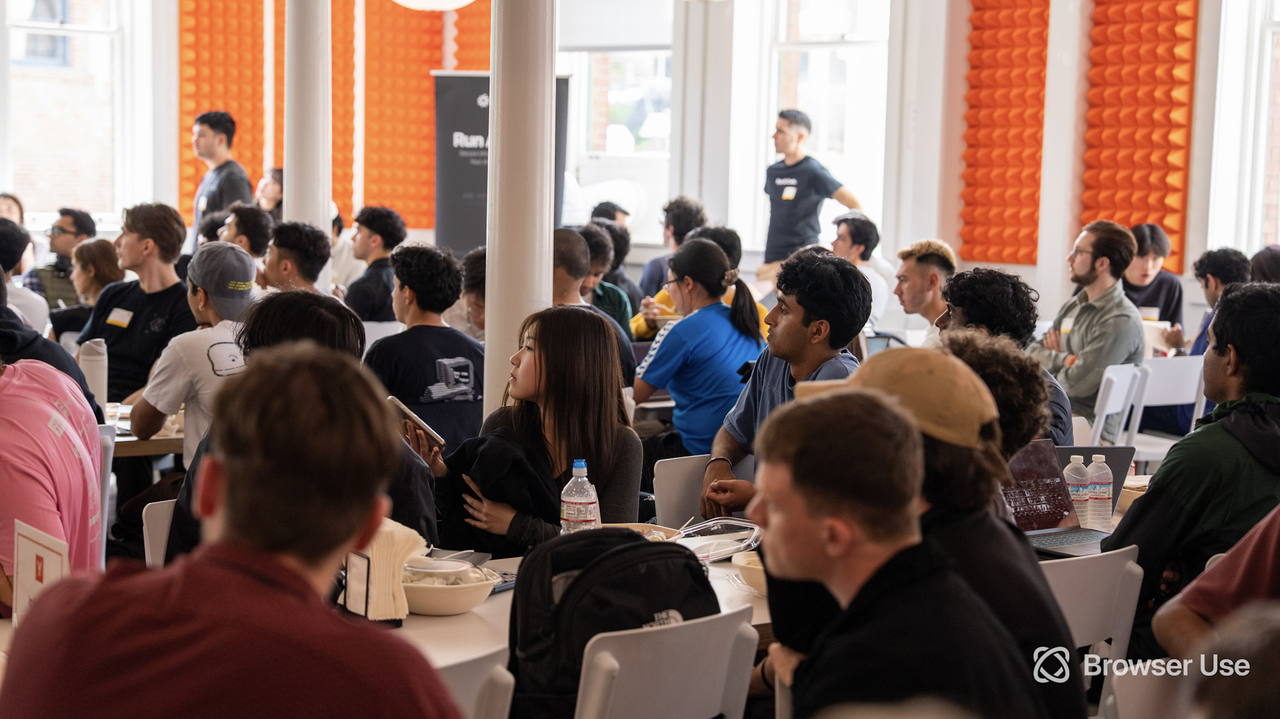
A Room Packed With Builders
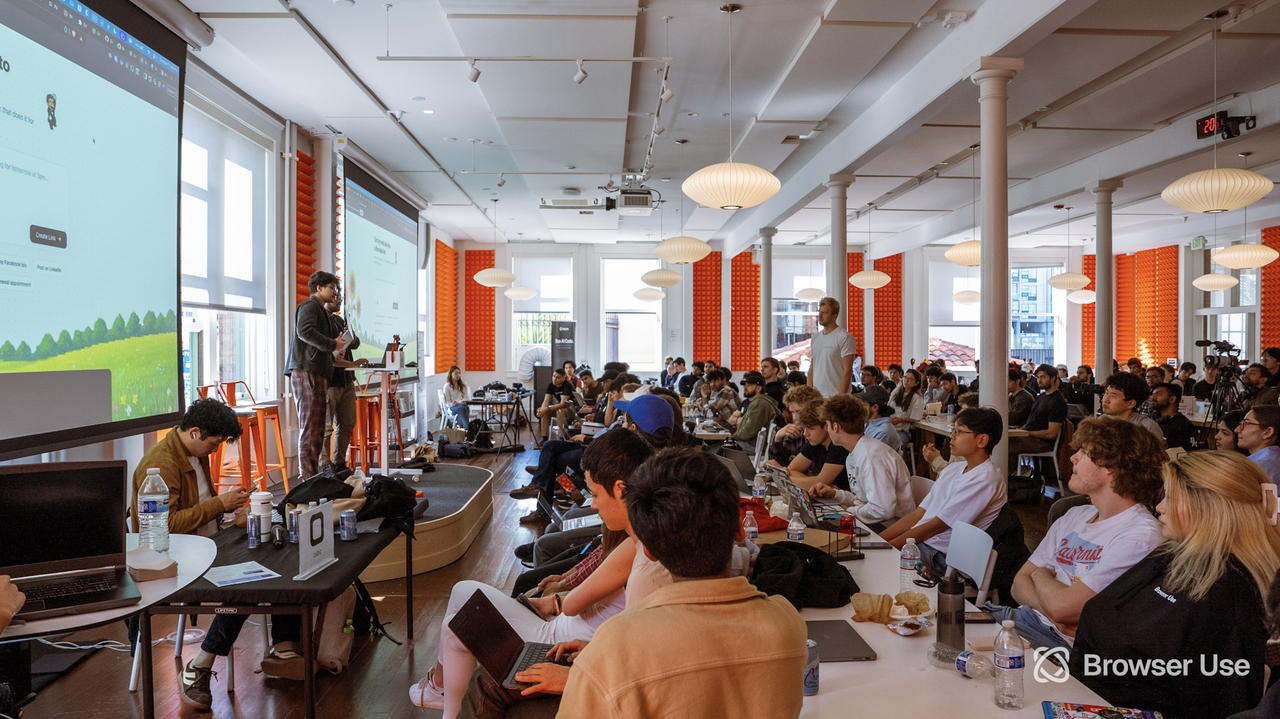
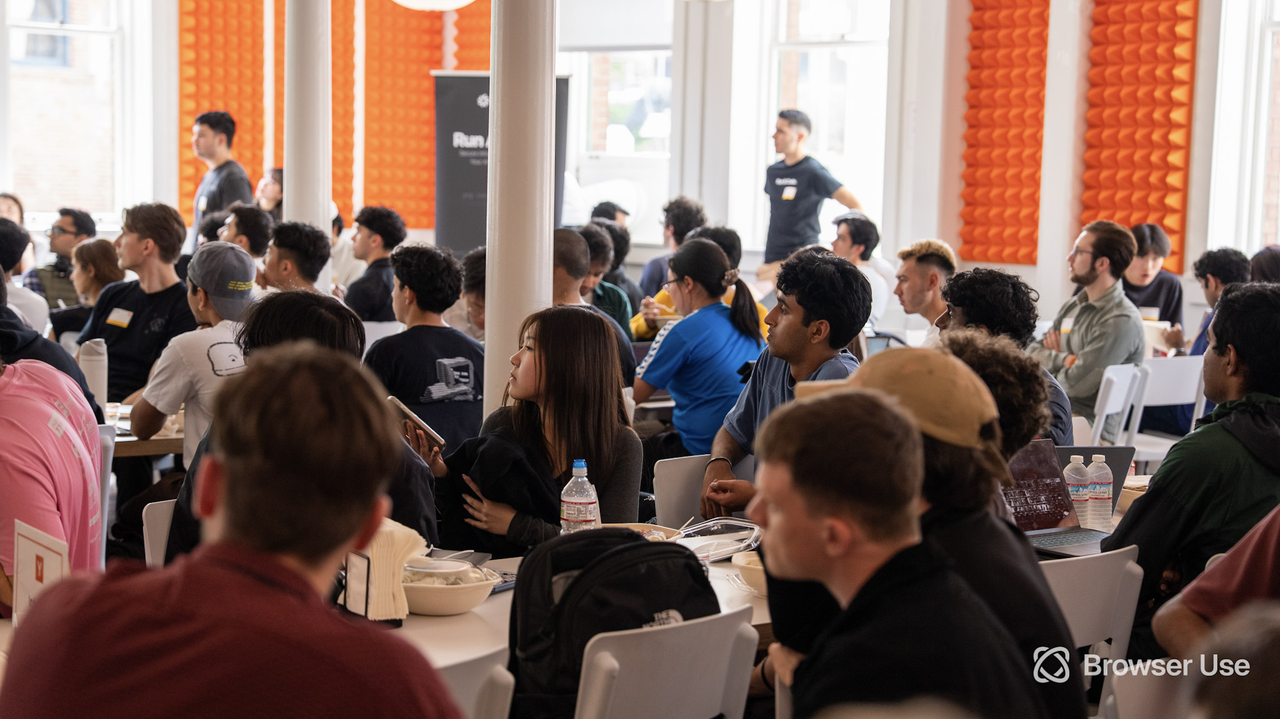
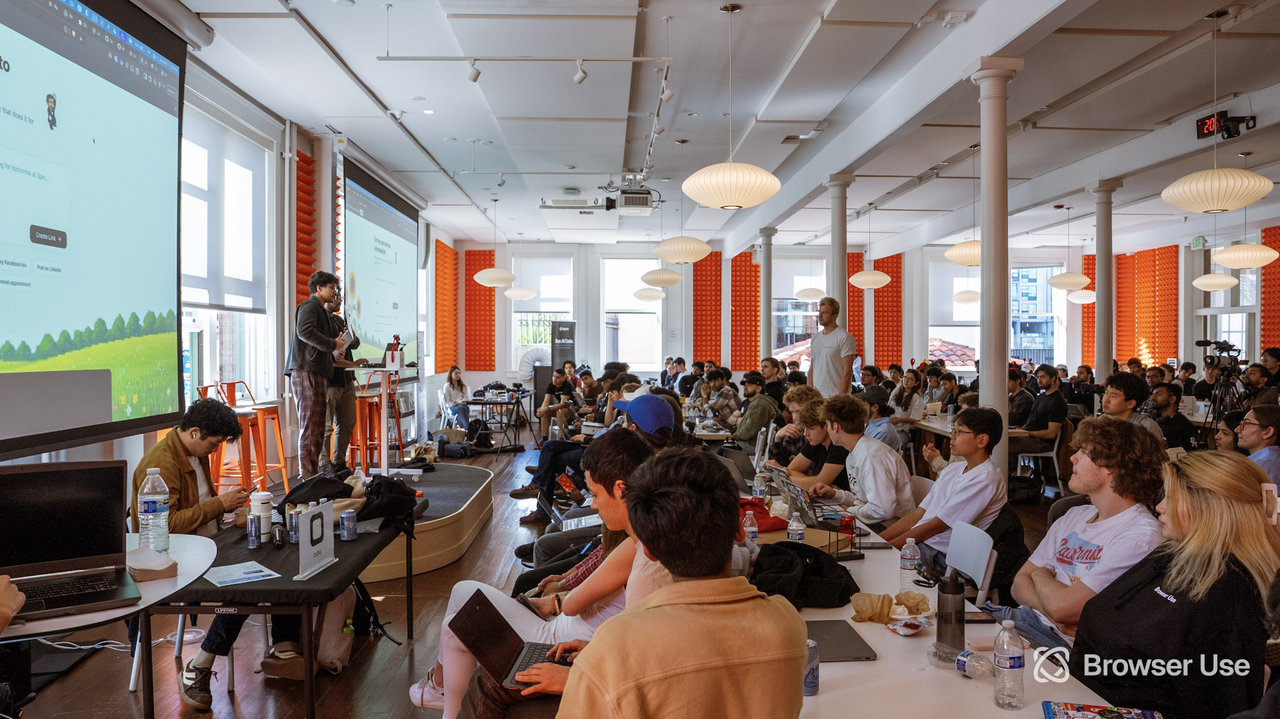
The scale and energy of the event were incredible.
Over 200 of the most competitive builders in the country packed into the room, with some participants even flying in internationally just to take part.
The prize pool was massive — over $180K in credits, hardware, and cash, making it one of the largest prize pools in YC hackathon history.
And the sponsor lineup reflected just how important the agent ecosystem has become. Among all sponsors, MiniMax was the only open-source frontier model provider in the room.
The Rise of Web Agents
The hackathon focused on one powerful idea: AI agents that can operate directly in the browser.
Rather than building integrations for every tool individually, developers can build agents capable of interacting with any website.
Throughout the event we saw builders create:
agents that navigate entire workflows across multiple websites
monitoring tools that analyze and track agent behavior
interfaces that allow AI to interact with the web in real time
Hackathon Schedule:
Feb 28, 2026
12:00PM: Doors open, lunch served
1:00 PM: Hacking begins
6:30 PM: Dinner served
March 1, 2026
9:00 AM: Breakfast served
10:00 AM: Hacking stops, semi-finals judging begins
12:00 PM: lunch served
1:00 PM: Final presentations
1:45 PM: Prizes
2:30 PM: Event ends
You could feel the ambition in the room.
People weren't just hacking for prizes.
They were building things they genuinely wanted to exist.
The Winning Project: Browser Brawl
One of the most memorable projects of the hackathon was the winning team's project: Browser Brawl, built by Mehul Kalia and team.
The concept was both creative and technically impressive.
Browser Brawl is an arena where two browser agents compete on a live website:
one agent attempts to complete a task
The other agent actively interferes
Every run generates detailed browser traces that can later be used for post-training and evaluation of agent systems.
In essence, it creates adversarial testing environments for web agents.
And incredibly, the team built the entire system in under a day.
It's exactly the kind of environment where powerful, fast LLMs can make a huge difference, and a setup like this feels like a natural fit for models like those from MiniMax.
MiniMax and the Agent Ecosystem
At MiniMax, we believe the future of AI is agent-native.
Our models are built to support the kinds of workloads modern agents require:
long-context reasoning
multi-step task planning
tool usage and orchestration
multimodal understanding
Builders are moving beyond prompts and prototypes toward systems that can act, interact, and automate real-world tasks. Supporting events like the Browser-Use Hackathon is part of our mission to empower the global builder community exploring the frontier of agent technology.
X post:
We were proud to support the Browser-Use Hackathon at @ycombinator, where 200+ builders packed the room (some flying in internationally) to build the next generation of web agents.
With a $180K+ prize pool and sponsors including OpenAI, Anthropic, Google DeepMind, AWS, Vercel, MongoDB, and Convex — MiniMax stood out as the only open-source frontier model provider supporting the event.
The projects were incredible: agents running full workflows, monitoring tools for agent behavior, and real-time browser automation. The winning project, Browser Brawl, even created an arena where two agents compete on a live website — generating rich traces for adversarial agent evaluation.
The future of AI is agent-driven, and we're excited to support the builders pushing it forward.
 |
 |
 |
|